What are you doing each day? How do you manage your daily tasks and schedule your activities? We often spend hours at our desks, only to realize that five hours have passed. Work environments are full of distractions, which can hinder our focus and productivity. It’s essential to eliminate these distractions to concentrate on tasks that require immediate attention.
How do you feel when you clear your desk every day? This feeling can vary depending on the nature of your tasks. For example, if you work in finance, you likely face a continuous flow of pending tasks. To manage this, set daily targets for yourself. Routine tasks will always recur, so it’s crucial to set achievable goals daily. If the workload becomes overwhelming, consider dividing tasks or getting additional help.
No job is ever truly finished, but it’s important to create leisure time for yourself, aside from regular breaks. This time can be used to reflect on tasks and think of solutions. Sometimes, stepping away or even sleeping on a problem can lead to new insights.
Distractions affect personal productivity differently depending on the job. However, these distractions are present in both private and public sectors. Overcoming them is key to increasing productivity.
Take time to study during your working hours. Every work hour can be productive if you have the right mindset. Mind mapping can help you prepare for the day. As you wake up, think about your work and workplace. The excitement of seeing colleagues, dealing with suppliers or customers, and business partners, and facing your tasks should motivate you. Consider what to wear and how to present yourself, as a positive outlook can influence your productivity.
Daily productivity is a mindset. Ask yourself, “What am I going to achieve today?” To boost your daily productivity, consider the following tips:
Study: Dedicate time to expand your knowledge and skills within your working hours. Continuous learning leads to continuous growth.
Avoid distractions: Identify and eliminate the distractions that hinder your focus. This may involve turning off notifications, creating a quiet work environment, or using productivity tools to block websites or apps during critical work periods.
Engage with colleagues: Meaningful discussions with your colleagues can provide valuable insights and help you find innovative solutions. Seek clarity from your superiors when needed and collaborate to enhance your productivity.
Stay calm and composed: Don’t let stress or agitation hinder your productivity. Keep a level head and approach your tasks with a clear mind.
Attend developmental programs: Take advantage of any training or professional development opportunities offered by your organization. This investment in yourself will pay off in increased productivity and personal growth.
Remember to create a healthy work-life balance by incorporating leisure time into your schedule. By implementing these strategies and staying focused on your tasks, you’ll be able to accomplish your daily targets and make the most of your time.
We have written at the beginning of the current Government in 2023 with the assertive hope of pains and gains. Nothing has changed very much, rather state-to-state lamentation is the current position of the day. The economy is accelerating inflation, and this is causing more pain.
The economic challenges facing Nigeria, are indeed significant and have profound implications for individuals, families, and businesses across the country. The depreciation of the Naira against the Dollar, coupled with rising inflation, has created a difficult environment characterized by increased costs of living, dwindling purchasing power, and heightened uncertainty about the future.
Here are some key points to consider in addressing these challenges and exploring potential opportunities:
1. Impact on Individuals and Families: The high cost of living, exacerbated by rising prices of essential commodities like rice and garri, as well as increased transportation costs, has put immense pressure on individuals and families. The prospect of migration (“JAPA”) has become a consideration for many Nigerians, especially among the younger generations, as they seek better economic opportunities elsewhere.
2. Challenges for Businesses: Employers are facing significant challenges in running their businesses, including high operating costs for diesel, electricity, and wages. The depreciation of the Naira has further compounded these challenges, making it difficult for businesses to remain competitive and sustainable.
3. Opportunities for Investment: Despite the economic challenges, there are investment opportunities, particularly for those with foreign currency. The devaluation of the Naira presents an opportunity for capital investments in Nigeria, as assets become relatively cheaper for foreign investors. This influx of investment has the potential to stimulate economic growth and create job opportunities.
4. Government Role: Government intervention is crucial in addressing the economic challenges and creating an enabling environment for investment. This may involve implementing policies to stabilize the exchange rate, control inflation, and reduce the burden of taxes on businesses. Additionally, the government should prioritize infrastructure development and create incentives to attract both domestic and foreign investment.
5. Long-Term Perspective: While immediate challenges exist, it’s important to take a long-term perspective on economic stability and growth. Strategic investments in key sectors such as infrastructure, agriculture, and technology can lay the foundation for sustainable development and prosperity over time.
Nigeria currently faces significant economic challenges, but there are also opportunities for growth and investment. By addressing the root causes of economic instability and implementing targeted policies to attract investment and stimulate growth, Nigeria can work towards achieving greater economic stability and prosperity for all its citizens in the year 2024.
The importance of actively participating in and supporting group or business-building processes is emphasized. The analogy of individuals as “pillars” in these processes is used to highlight their vital roles. The message underscores the need for commitment, dedication, and a positive attitude in sustaining and growing groups and businesses. It also stresses the value of monitoring and nurturing key roles within organizations. The message concludes by emphasizing the lasting impact of active participation and the importance of continuous personal growth in various contexts.
Are you an integral part of a group or team with a shared purpose? Whether you’re a chorister, a band member, a member of a society or charitable organization, an alumni group, a board of directors, a banking team, or even part of an unconventional group, it’s essential to recognize the significance of your role within that collective. While it might seem amusing at times, every group must undergo a building process to ensure its continuity, as failure to do so could result in its dissolution.
When individuals come together to establish a community, rekindle old friendships, support a family, or nurture an organization, it’s imperative to approach this endeavor with intentionality. Not everyone within the group will wholeheartedly support the building process. The success of this endeavor relies heavily on the commitment and dedication of its members, akin to constructing a sturdy edifice with a solid foundation.
The longevity of the group depends on the initiation and wholehearted participation of its members. Those who initiate and contribute significantly are often referred to as pioneers or architects due to their foundational ideas and contributions. This building process encompasses various elements such as policies, codes of conduct, meetings, attractions, financial matters, and the diverse roles of its members, ranging from active participants to those in supporting roles.
The group’s building process is governed by a constitution and its legality, but what truly shapes and sustains it is the character and attitude of its members. Just as a building undergoes phases of construction, the group experiences growth and transformation over time. Without ongoing attention and maintenance, cracks will inevitably appear, much like the imperfections in the walls of a building. These cracks must not be ignored; they should either be addressed promptly or planned for correction. Believing that your building process is flawless or immune to issues is a fallacy; sooner or later, a significant problem may arise that could jeopardize the entire endeavor.
Transitioning to the realm of building a company, establishing a formidable enterprise follows a well-defined process. Whether you’re nurturing a small enterprise or aiming to expand into an international brand, this journey involves a series of continuous processes. It is crucial to pay close attention to these processes, the individuals involved, and their character traits. Some employees serve as the unshakeable pillars of the organization, providing unwavering support. Others act as architects, shaping the overall direction and strategy. Some function as the windows and doors, requiring replacement or improvement to enhance the organization’s overall functionality and aesthetics. There are also those who identify and address issues, preventing potential crises.
A company embodies an ongoing and evolving process, year after year. It’s essential to remain conscious of the diverse roles individuals play within the organization, including the architects and pillars. If a pillar is lost, others must step in to support, as the absence of crucial contributors can lead to the collapse of the entire structure. Vigilance is necessary in monitoring and nurturing these key roles, as everything and everyone can be replaced with a new design. Ensuring the well-being and sustainability of these essential components is paramount.
If you find yourself serving as a pillar in the building process of a group or business, consider yourself both valiant and invaluable. Others will inevitably rely on your contributions, provided you remain willing to take on this role. It’s not uncommon for individuals to hold positions in multiple companies as directors or chairpersons, signifying their pivotal roles in the building process.
A robust pillar can endure for centuries, leaving a lasting legacy. Your actions and contributions can continue to impact the organization long after you’ve moved on. To be a part of a successful building process requires a commitment to selflessness, dedication, and a positive attitude. Assess your current position within this process and recognize the importance of your role.
Being a part of a building process is not only rewarding in terms of personal growth but also encompasses a holistic package that includes considerations for your living arrangements, family, health, and even leisure activities. Your involvement is a reflection of what you’ve exhibited in your curriculum vitae, and your buy-in into the process stems from these experiences.
As you continue to participate in various building processes, remember that growth often involves traversing different experiences and contexts. Each experience shapes you into a more robust pillar, wherever you find yourself. Ultimately, being a part of a formidable building process is synonymous with being invaluable, and your contributions will stand as a testament to your dedication and commitment.
Light is sweet, and it pleases the eyes to see the sun.
eccl 11:7
I have eyes for the finest things in life, particularly the materialistic ones: wealth, homes, cars, gadgets, and technology. With time, I became blessed with my desires. Yet, when it comes to matters of the heart and relationships, I seek companionship. I cherish the company of good friends with whom I can share thoughts and experiences. Additionally, I deeply love the things of the Lord, finding fulfillment in serving and assisting the elderly in sharing their stories, choices, and wisdom. Sometimes, I envision myself living in such elderly scenarios, which continually enriches my wisdom. However, now, they have all passed away.
What brings me the greatest joy is perceiving things from the best possible perspective, making them work seamlessly, and witnessing people find happiness, hope, and contentment.
Early in my life, I recognized the truth of the saying, “You can have lots of things, but you cannot have everything,” echoing the biblical idea that human desires are insatiable.
I come from humble beginnings, born and raised in the ghetto, specifically Somolu, and growing up in Bariga. In the ghetto, the ability to effect change where needed is what thrives best. Remarkable entrepreneurs often emerge from the ghetto. In a broader sense, life itself can be seen as a mix of both the ghetto and luxury, revolving through generations. I am grateful that despite my father’s modest start, he achieved wealth in the end.
In the ghetto, there are distinct classes, a concept reflected in the works of authors like Robert Kiyosaki, Benjamin Ravid, Bennard Cooperman, Mitchell Duneier, Bryan Cheyette, Elias Khoury, and legendary musicians like Majek Fashek, Lucky Dube, and Fela Anikulapo-Kuti and a host of others. When someone from the ghetto “receives” an education, they flourish, and when they delve into music, they triumph.
Our desires shape our lives. I have always yearned for a private life with my family, seeking comfort and contentment in doing the work of the Lord. Why? I observed that growth for me involved both comfort and struggles, a common experience for everyone, even the wealthy, although the nature of their struggles may differ.
What pleases our eyes is closely tied to our desires. As King Sunny Ade once sang, “What do you desire… Sweet Banana?” Here, “Sweet Banana” serves as a metaphor for the desires and preferences in our romantic relationships.
What pleases our eyes, our desires, may not align with the will of the Lord.
The allure of possessing things we admire can be powerful. I once heard the testimony of someone who traveled the world without a visa, illustrating the extraordinary possibilities in life. However, what pleases our eyes can also lead us astray, as exemplified in the story of King David, who, despite having the best women and concubines, coveted another man’s wife, leading to a lifelong curse on his household.
Ireoluwa, known as #MohBad, pursued his own pleasure and fantasies. I delved into his lyrics to understand his beginnings, struggles with family, education, and chosen career. Like many youths seeking to establish their own lives, he desired fame but ultimately faced its challenges. He might have excelled in various fields but pursued what pleased him relentlessly. So sad, he is gone at 27.
What pleases us can be the best thing that happens to us. In my life, I have attained everything I ever desired, yet encountered setbacks along the way. Have I made the right or wrong choices? Regardless, I am living my life, surrounded by a loving family and dear friends, with a child to care for and my loyal pet, Lucee.
Life in the ghetto is a rollercoaster of ups and downs. To break free from the ghetto’s limitations, one must align with what pleases God rather than personal desires. We are not created by our own will but by the spirit within us, bestowed by the Almighty. Even the most accomplished individuals face challenges, much less those born in the ghetto.
What you desire may not be what ultimately pleases you, but what pleases you becomes your desire.
If you have followed this narrative from the beginning, you may find yourself in the discussion. Be cautious about what pleases you, as it can lead to unexpected pitfalls. This message also serves as a reminder to myself, especially in regard to investment decisions. No matter how strong we may be, we all have significant weaknesses, and our only refuge lies in the grace of God. We only see what we wanna see, we never see what is coming (#Virtuoso).
Consider what pleases others, as this may be the path to satisfying your own desires. This, above all, pleases God and fulfills your desires. If this message resonates with you, feel free to connect via email: davakinwilliams@gmail.com.
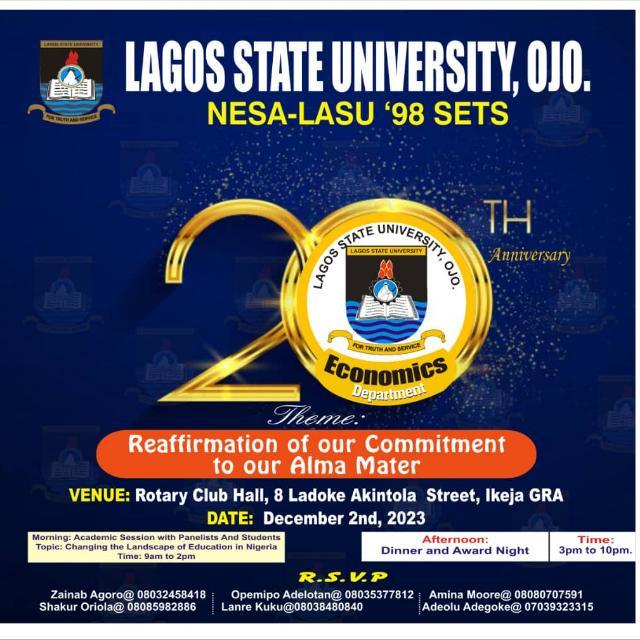
Celebrating 20 Years of Excellence: The Alumni Set’s Remarkable Journey
As we are gathering to commemorate the 20th anniversary of the Alumni Set, it is a moment of immense pride and nostalgia. Two decades of growth, achievement, and unity have passed since this remarkable group of individuals embarked on their journey into the world, carrying with them the values, friendships, and knowledge acquired during their time as students.
Reflecting on the Past
The journey of the Alumni Set began in the hallowed halls of our beloved alma mater. It was here that lifelong friendships were forged, lessons were learned, and dreams were nurtured. Those years were marked not only by academic excellence but also by the camaraderie that bound us together. We faced challenges, celebrated victories, and created memories that would last a lifetime.
A Legacy of Achievement
Over the past two decades, the members of the Alumni Set have ventured into diverse fields, making significant contributions to society. From business leaders and innovators to educators and public servants, each of us has carved a unique path, leaving an indelible mark on our respective domains. Our shared commitment to excellence and the values instilled in us during our time together have been instrumental in our success.
Strengthening Bonds
One of the most extraordinary aspects of the Alumni Set is the enduring sense of connection among its members. Despite the passage of time and the geographical distances that separate us, our bonds have remained steadfast. Reunions, both virtual and in-person, have rekindled our friendships and allowed us to celebrate our collective achievements.
Looking Ahead
As we mark this momentous occasion, let us not only celebrate the past but also look to the future with hope and determination. The world is undergoing rapid change, and the challenges we face are more complex than ever. Yet, the spirit of the Alumni Set remains undaunted. Our collective strength lies not only in what we have accomplished but also in our potential to shape a better future.
A Call to Action
On this 20th anniversary, let us reaffirm our commitment to our shared values of integrity, innovation, and compassion. Let us continue to support one another, mentor the next generation, and give back to our communities. Together, we can be a force for positive change, making a lasting impact on the world.
Expressing Gratitude
In conclusion, I would like to extend my heartfelt gratitude to each member of the Alumni Set. Your dedication, resilience, and achievements are a source of inspiration to us all. Let us celebrate not only this milestone but also the enduring legacy we are building together.
Here’s to 20 years of excellence, and to many more decades of success and friendship. Happy Anniversary, Alumni Set!
Societal acrimony refers to the presence of deep-seated and bitter hostility, animosity, or conflict within a society. It describes a state where there is widespread disagreement, tension, and resentment among different groups or individuals, often leading to a breakdown in social cohesion and harmony. This acrimony can manifest in various forms, such as political polarization, cultural clashes, religious conflicts, economic inequalities, racial tensions, or ideological divisions.
Causes of Societal Acrimony:
Ideological Differences: Conflicting beliefs, values, and ideologies can lead to polarized views, making it challenging for people to find common ground.
Inequality: Widespread economic disparities and social inequalities can foster resentment and animosity between different socioeconomic groups.
Political Polarization: When political discourse becomes increasingly polarized, it can lead to a deepening divide between political factions and hinder cooperation and compromise. The emergence of the fuel subsidy removal.
Media Influence: Biased or sensationalized media coverage can exacerbate divisions by promoting misinformation and reinforcing existing biases.
Historical Grievances: Long-standing historical injustices or unresolved conflicts can contribute to ongoing societal acrimony.
Cultural and Religious Differences: A clash of cultures and religious beliefs can lead to tensions and hostility between communities.
Effects of Societal Acrimony:
Reduced Social Cohesion: Acrimony can weaken social bonds and trust among members of society, leading to a fragmented and disjointed community.
Decline in Productivity: A hostile society may struggle to work together effectively, leading to reduced productivity and economic growth.
Political Instability: Societal acrimony can lead to unstable governance, making it challenging to implement effective policies and address pressing issues.
Increased Violence and Conflicts: Heightened tensions can escalate into violent confrontations and conflicts, threatening peace and stability.
Diminished Empathy: People may become less empathetic towards those with differing viewpoints, leading to further isolation and division. Going on social media the effect of a seemingly failing economy.
Addressing Societal Acrimony:
Resolving or reducing societal acrimony is a complex and challenging task, requiring the collective effort of individuals, communities, and institutions. Some approaches to addressing societal acrimony include:
Promoting Dialogue and Understanding: Encouraging open, respectful, and constructive communication between different groups can foster understanding and empathy.
Education and Media Literacy: Equipping individuals with critical thinking skills and promoting media literacy can help combat misinformation and bias.
Reducing Inequality: Addressing socioeconomic disparities can help reduce feelings of injustice and marginalization.
Conflict Resolution: Utilizing peaceful and non-violent methods to resolve conflicts can prevent escalation and promote reconciliation.
Building Inclusive Institutions: Creating inclusive institutions and policies that represent and address the needs of all groups can foster a sense of belonging.
Encouraging Civic Engagement: Active participation in civic activities and democratic processes can bridge divides and build a sense of shared responsibility.
Indeed, June 12, 1993, is considered a crucial day in Nigeria’s democratic history. It was the date of the presidential election that was widely acclaimed to be free and fair, with Moshood Kashimawo Olawale Abiola, commonly known as MKO Abiola, emerging as the presumed winner. However, the military government at the time, led by General Ibrahim Babangida, annulled the election results, causing widespread disappointment and protests.
MKO Abiola, the presumed winner, was a prominent Nigerian businessman and philanthropist. His mandate being annulled led to years of political turmoil and activism. The National Democratic Coalition (NADECO) was a prominent pro-democracy movement during that time, advocating for the restoration of Abiola’s mandate and the return to democratic governance.
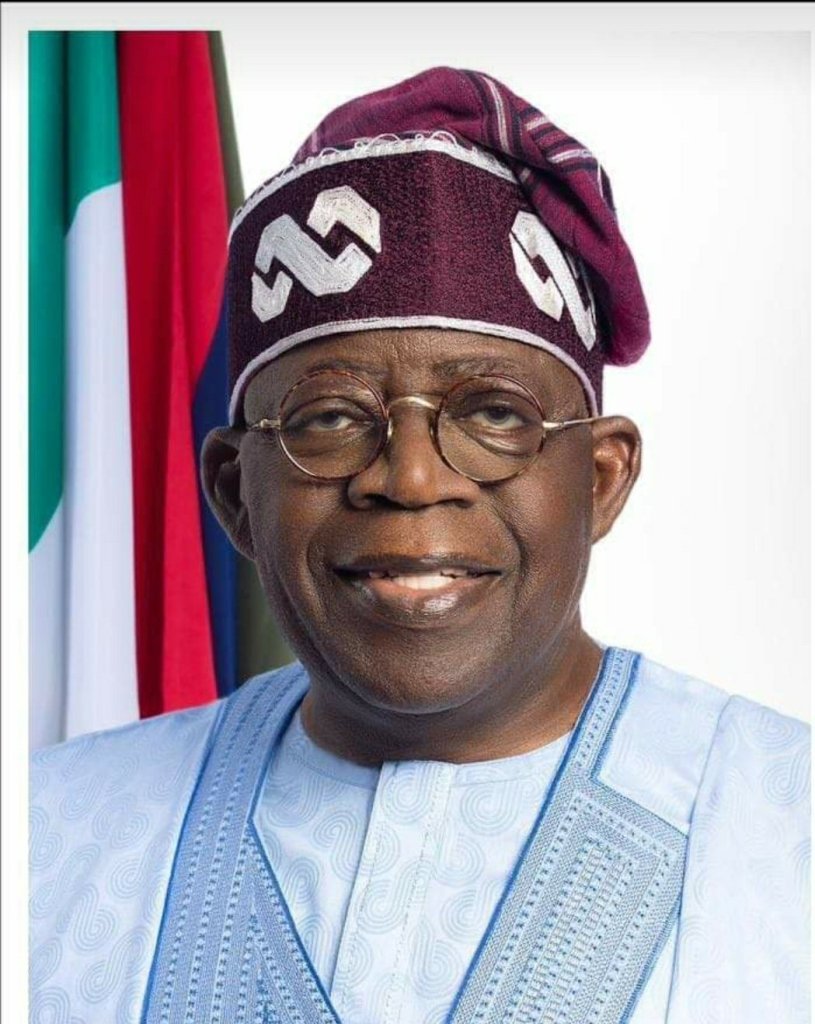
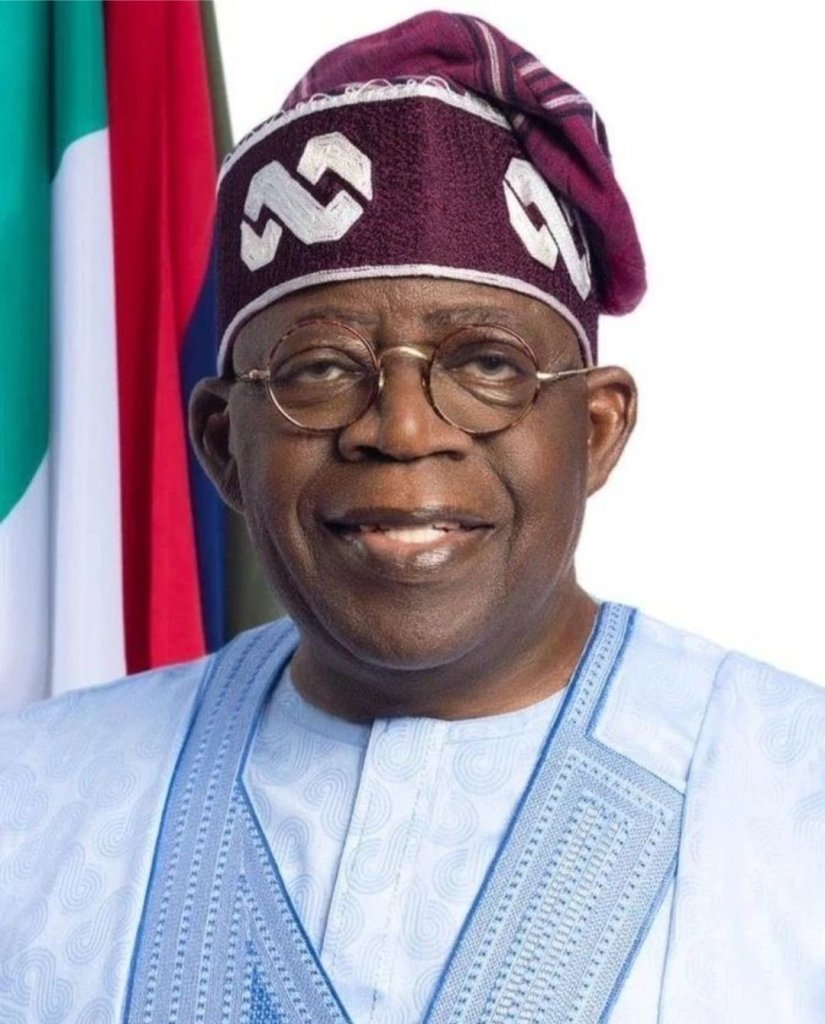
As you mentioned, Bola Ahmed Tinubu, also known as Jagaban, played a significant role in supporting MKO Abiola and the NADECO movement. Tinubu, a Nigerian politician, was actively involved in the struggle for democracy and the promotion of Abiola’s cause.
In recent years, there has been a significant recognition of the importance of June 12. In 2018, President Muhammadu Buhari officially recognized June 12 as Nigeria’s Democracy Day, replacing May 29. Furthermore, he posthumously awarded MKO Abiola the highest national honor of the Grand Commander of the Federal Republic (GCFR) in acknowledgment of his role in Nigeria’s democracy.
The term “trajectory tragedic victory” seems to describe the complex nature of the events surrounding June 12, reflecting the tragic annulment of a democratically acclaimed victory for MKO Abiola, but also acknowledging the subsequent recognition and commemoration of that day in Nigeria’s democratic history.
Asiwaju, the man behind the scenes, is now in front of the scene. A trajectory tragedic Victory indeed.
FIRST INAUGURAL ADDRESS BY PRESIDENT BOLA AHMED TINUBU 29 MAY 2023
THE NIGERIAN IDEAL
My Fellow Citizens,
I stand before you honoured to assume the sacred mandate you have given me. My love for this nation is abiding. My confidence in its people, unwavering. And my faith in God Almighty, absolute. I know that His hand shall provide the needed moral strength and clarity of purpose in those instances when we seem to have reached the limits of our human capacity.
This day is bold and majestic yet bright and full of spirit, as is our precious nation.
As a nation, we have long ago decided to march beyond the dimness of night into the open day of renewed national hope.
The question we now ask ourselves is whether to remain faithful to the work inherent in building a better society or retreat into the shadows of our unmet potential.
For me, there is but one answer. We are too great a nation and too grounded as a people to rob ourselves of our finest destiny.
This nation’s journey has been shaped by the prayers of millions, and the collective sacrifices of us all.
We have endured hardships that would have made other societies crumble.
Yet, we have shouldered the heavy burden to arrive at this SUBLIME moment where the prospect of a better future merges with our improved capacity to create that future.
To the surprise of many but not to ourselves, we have more firmly established this land as a democracy in both word and deed.
The peaceful transition from one government to another is now our political tradition. This handover symbolizes our trust in God, our enduring faith in representative governance and our belief in our ability to reshape this nation into the society it was always meant to be.
Here, permit me to say a few words to my predecessor, President Muhammadu Buhari. Mr President, you have been an honest, patriotic leader who has done his best for the nation you love. On a more personal note, you are a worthy partner and friend. May History be kind to you.
For many years, Nigeria’s critics have trafficked the rumour that our nation will break apart, even perish.
Yet here we are. We have stumbled at times, but our resilience and diversity have kept us going.
Our burdens may make us bend at times, but they shall never break us.
Instead, we stand forth as Africa’s most populous nation and as the best hope and strongest champion of the Black Race.
As citizens, we declare as one unified people devoted to one unified national cause, that as long as this world exists, NIGERIA SHALL EXIST.
Today, Fate and Destiny join together to place the torch of human progress in our very hands. We dare not let it slip.
We lift high this torch so that it might shine on every household and in every heart that calls itself Nigerian. We hold this beam aloft because it lights our path with compassion, brotherhood, and peace. May this great light never EXTINGUISH.
Our administration shall govern on your behalf but never rule over you. We shall consult and dialogue but never dictate. We shall reach out to all but never put down a single person for holding views contrary to our own.
We are here to further mend and heal this nation, not tear and injure it.
In this vein, may I offer a few comments regarding the election that brought us to this juncture. It was a hard fought contest. And it was also fairly won. Since the advent of the Fourth Republic, Nigeria has not held an election of better quality.
The outcome reflected the will of the people. However, my victory does not render me any more Nigerian than my opponents. Nor does it render them any less patriotic.
They shall forever be my fellow compatriots. And I will treat them as such. They represent important constituencies and concerns that wisdom dare not ignore.
They have taken their concerns to court. Seeking legal redress is their right and I fully defend their exercise of this right. This is the essence of the rule of law.
Over six decades ago, our founding fathers gave bravely of themselves to place Nigeria on the map as an independent nation.
We must never allow the labor of those who came before us to wither in vain but to blossom and bring forth a better reality.
Let us take the next great step in the journey they began and believed in.
Today, let us recommit our very selves to placing Nigeria in our hearts as the indispensable home for each and every one of us regardless of creed, ethnicity, or place of birth.
My supporters, I thank you. To those who voted otherwise, I extend my hand across the political divide. I ask you to grasp it in national affinity and brotherhood. For me, political coloration has faded away. All I see are Nigerians.
May we uphold these fitting and excellent notions as the new Nigerian ideal.
My fellow compatriots,
The Nigerian ideal which I speak of is more than just an improvement in economic and other statistics. These things are important; but they can never convey the fullness of our story.
Our mission is to improve our way of life in a manner that nurtures our humanity, encourages compassion toward one another, and duly rewards our collective effort to resolve the social ills that seek to divide us.
Our constitution and laws give us a nation on paper. We must work harder at bringing these noble documents to life by strengthening the bonds of economic collaboration, social cohesion, and cultural understanding. Let us develop a shared sense of fairness and equity.
The South must not only seek good for itself but must understand that its interests are served when good comes to the North. The North must see the South likewise.
Whether from the winding creeks of the Niger Delta, the vastness of the northern savannah, the boardrooms of Lagos, the bustling capital of Abuja, or the busy markets of Onitsha, you are all my people. As your president, I shall serve with prejudice toward none but compassion and amity towards all.
In the coming days and weeks, my team will publicly detail key aspects of our programme. Today, permit me to outline in broad terms a few initiatives that define our concept of progressive good governance in furtherance of the Nigerian ideal:
The principles that will guide our administration are simple:
Nigeria will be impartially governed according to the constitution and the rule of law.
We shall defend the nation from terror and all forms of criminality that threaten the peace and stability of our country and our subregion.
We shall remodel our economy to bring about growth and development through job creation, food security and an end of extreme poverty.
In our administration, Women and youth will feature prominently.
Our government will continue to take proactive steps such as championing a credit culture to discourage corruption while strengthening the effectiveness and efficiency of the various anti-corruption agencies.
SECURITY
Security shall be the top priority of our administration because neither prosperity nor justice can prevail amidst insecurity and violence.
To effectively tackle this menace, we shall reform both our security DOCTRINE and its ARCHITECTURE.
We shall invest more in our security personnel, and this means more than an increase in number. We shall provide, better training, equipment, pay and firepower.
THE ECONOMY
On the economy, we target a higher GDP growth and to significantly reduce unemployment.
We intend to accomplish this by taking the following steps:
First, budgetary reform stimulating the economy without engendering inflation will be instituted.
Second, industrial policy will utilize the full range of fiscal measures to promote domestic manufacturing and lessen import dependency.
Third, electricity will become more accessible and affordable to businesses and homes alike. Power generation should nearly double and transmission and distribution networks improved. We will encourage states to develop local sources as well.
I have a message for our investors, local and foreign: our government shall review all their complaints about multiple taxation and various anti-investment inhibitions.
We shall ensure that investors and foreign businesses repatriate their hard earned dividends and profits home.
JOBS
My administration must create meaningful opportunities for our youth. We shall honour our campaign commitment of one million new jobs in the digital economy.
Our government also shall work with the National Assembly to fashion an omnibus Jobs and Prosperity bill. This bill will give our administration the policy space to embark on labour-intensive infrastructural improvements, encourage light industry and provide improved social services for the poor, elderly and vulnerable.
Agriculture
Rural incomes shall be secured by commodity exchange boards guaranteeing minimal prices for certain crops and animal products. A nationwide programme for storage and other facilities to reduce spoilage and waste will be undertaken.
Agricultural hubs will be created throughout the nation to increase production and engage in value-added processing. The livestock sector will be introduced to best modern practices and steps taken to minimize the perennial conflict over land and water resources in this sector.
Through these actions, food shall be made more abundant yet less costly. Farmers shall earn more while the average Nigerian pays less.
INFRASTRUCTURE
We shall continue the efforts of the Buhari administration on infrastructure. Progress toward national networks of roads, rail and ports shall get priority attention.
FUEL SUBSIDY
We commend the decision of the outgoing administration in phasing out the petrol subsidy regime which has increasingly favoured the rich more than the poor. Subsidy can no longer justify its ever-increasing costs in the wake of drying resources. We shall instead re-channel the funds into better investment in public infrastructure, education, health care and jobs that will materially improve the lives of millions.
MONETARY POLICY
Monetary policy needs thorough housecleaning. The Central Bank must work towards a unified exchange rate. This will direct funds away from arbitrage into meaningful investment in the plant, equipment and jobs that power the real economy.
Interest rates need to be reduced to increase investment and consumer purchasing in ways that sustain the economy at a higher level.
Whatever merits it had in concept, the currency swap was too harshly applied by the CBN given the number of unbanked Nigerians. The policy shall be reviewed. In the meantime, my administration will treat both currencies as legal tender.
FOREIGN POLICY
Given the world in which we reside, please permit a few comments regarding foreign policy.
The crisis in Sudan and the turn from democracy by several nations in our immediate neighbourhood are of pressing concern.
As such, my primary foreign policy objective must be the peace and stability of the West African subregion and the African continent. We shall work with ECOWAS, the AU and willing partners in the international community to end extant conflicts and to resolve new ones.
As we contain threats to peace, we shall also retool our foreign policy to more actively lead the regional and continental quest for collective prosperity.
Conclusion
This is the proudest day of my life. But this day does not belong to me. It belongs to you, the people of Nigeria.
On this day, Nigeria affirms its rightful place among the world’s great democracies. There, Nigeria shall reside forever.
The course of our past and the promise of the future have brought us to this exceptional moment.
In this spirit, I ask you to join me in making Nigeria a more perfect nation and democracy such that the Nigerian ideal becomes and forever remains the Nigerian reality.
With full confidence in our ability, I declare that these things are within our proximate reach because my name is Bola Ahmed Tinubu, and I am the President of the Federal Republic of Nigeria.
May God bless you and May He bless our beloved land.
Retail stores in Nigeria can vary widely in size and appearance, depending on the type of store and its location. In urban areas, modern retail stores may resemble those found in other parts of the world, with clean, well-lit interiors and organized product displays. Some of the most popular retail stores in Nigeria include supermarkets, department stores, and specialty stores that sell a wide range of products.
In more rural areas, retail stores may take on a more traditional appearance, with simple stalls or shops selling basic goods such as food, clothing, and household items. These stores may be located in open-air markets or along busy streets.
The retail industry in Nigeria has been experiencing significant growth over the past few years due to various factors such as urbanization, a growing middle class, and the increasing adoption of technology. According to a report by the Nigeria Retail Outlook, the retail industry in Nigeria was valued at US$125 billion in 2019 and is expected to grow to US$388 billion by 2024.
In terms of changes in retail stores specifically, there has been a shift towards e-commerce and online shopping in Nigeria, with more consumers preferring to shop online due to convenience and safety concerns. This has led to the emergence of new online retail stores and marketplaces, such as Jumia and Konga, which have gained significant market share in recent years.
However, traditional brick-and-mortar retail stores still remain important in Nigeria, particularly in urban areas. In recent years, there has also been a trend towards modernization and upgrading of traditional retail stores, with the introduction of new technologies and more sophisticated store formats to enhance the shopping experience for consumers.
Overall, retail stores in Nigeria reflect the diversity and vibrancy of the country’s culture and economy. They offer a wide range of products and services to meet the needs of Nigerian consumers, from everyday necessities to luxury goods.
The retail industry in Nigeria has experienced some challenges due to the COVID-19 pandemic, it remains a key contributor to the country’s economy and is expected to continue growing in the coming years.
The Relevance of Processes in the Retail Business
Retail processes play a crucial role in enhancing growth and development in the retail industry. These processes are designed to help retailers efficiently manage their operations, optimize their resources, and provide a seamless shopping experience for customers. Here are some ways in which retail processes can enhance growth and development in the industry:
Improved Inventory Management: Effective inventory management is essential for retailers to ensure they have the right products in stock at the right time. This helps to minimize stockouts, reduce wastage and improve cash flow. By implementing processes such as automated inventory tracking and demand forecasting, retailers can optimize their inventory levels and improve their profitability.
Efficient Supply Chain Management: Retailers need to have efficient supply chain processes to ensure they receive products on time and at the right price. By implementing processes such as supplier management, demand planning, and transportation management, retailers can streamline their supply chain operations, reduce lead times and improve their responsiveness to customer demands.
Customer Relationship Management: Customer satisfaction is essential for the growth and development of retail businesses. By implementing customer relationship management (CRM) processes, retailers can better understand their customers’ needs, preferences, and behaviors. This information can then be used to tailor their marketing efforts and improve the overall shopping experience.
Seamless Payment Processes: Retailers need to provide their customers with convenient and secure payment options to encourage repeat purchases. By implementing seamless payment processes such as mobile payments and online payment gateways, retailers can reduce transaction times, increase customer satisfaction, and enhance their overall brand image.
Data Analytics: Retailers can leverage data analytics to gain insights into their business operations, customer behavior, and market trends. By analyzing this data, retailers can make informed decisions, optimize their resources, and enhance their overall performance.
The relevance of Automation in the Retail Business
Automation is becoming increasingly relevant in the retail business today as it can help retailers streamline their operations, reduce costs, and improve efficiency. Here are some key areas where automation is being used in the retail industry:
Inventory Management: Automated inventory management systems can help retailers optimize their inventory levels, reduce stockouts, and improve their cash flow. These systems use algorithms to predict demand and automatically reorder products when inventory levels fall below a certain threshold. This helps retailers avoid overstocking or understocking, reducing waste and increasing profitability.
Supply Chain Management: Automation can help retailers streamline their supply chain operations, reducing lead times and improving responsiveness to customer demands. Automated systems can track orders, manage shipping, and update inventory levels in real-time, making it easier for retailers to manage their logistics.
Customer Service: Automated chatbots and virtual assistants can help retailers improve their customer service by providing 24/7 support, answering frequently asked questions, and resolving customer issues quickly. This can help reduce wait times, improve customer satisfaction, and free up staff to focus on more complex tasks.
Point of Sale (POS) Systems: Automated POS systems can help retailers process transactions faster and more accurately, reducing the risk of errors and improving efficiency. These systems can also provide real-time sales data, enabling retailers to make informed decisions about pricing and inventory management.
Data Analysis: Automated data analysis tools can help retailers make sense of large amounts of data, identifying trends and patterns that can inform business decisions. These tools can help retailers optimize their marketing efforts, improve customer retention, and identify opportunities for growth.
Automation is becoming increasingly relevant in the retail business as it can help retailers improve their operations, reduce costs, and enhance their customer experience. By automating inventory management, supply chain management, customer service, point of sale systems, and data analysis, retailers can stay competitive in an ever-changing retail landscape.
The Effective Management of Retail Store in Nigeria
Effective management of a retail store in Nigeria requires a combination of skills and strategies to ensure that the store is successful and profitable. Here are some key strategies for effective management of a retail store in Nigeria:
Strong Leadership: A successful retail store requires strong leadership, with a clear vision and effective communication with employees. Managers need to set clear expectations and goals for their teams, while providing guidance and support to help employees achieve their targets.
Efficient Operations: Retail stores need to be well-organized and efficient in their operations, with streamlined processes for inventory management, supply chain management, and customer service. Managers need to implement effective systems and processes that can help improve efficiency and reduce costs.
Customer Service: Providing exceptional customer service is critical to the success of a retail store. Managers need to ensure that their employees are well-trained and knowledgeable about the products and services they offer, and are able to respond quickly and effectively to customer inquiries and complaints.
Merchandising: Effective merchandising is key to attracting customers and increasing sales. Managers need to ensure that their store layout, product displays, and pricing strategies are optimized to appeal to their target market and encourage customer purchases.
Marketing and Promotions: Effective marketing and promotions are essential to drive traffic to a retail store and increase sales. Managers need to implement effective marketing campaigns that target their ideal customer base and offer promotions and incentives to encourage repeat purchases.
Financial Management: Effective financial management is critical to the success of a retail store. Managers need to ensure that their store is profitable by closely monitoring costs and revenues, managing cash flow, and setting realistic financial goals.
The cost of setting up a retail business in Nigeria can vary widely depending on the size and type of business, location, and other factors. The cost can range from several hundred thousand naira to several million naira depending on the size and type of business. It’s important to carefully consider all costs involved and create a detailed business plan to ensure that the business is viable and profitable.
However, here are some key factors to consider when estimating the cost of setting up a retail business in Nigeria:
Legal and Regulatory Costs: Setting up a retail business in Nigeria requires registering the business with the Corporate Affairs Commission (CAC) and obtaining necessary licenses and permits. The cost of legal and regulatory compliance can vary depending on the type of business and location.
Premises and Infrastructure: The cost of renting or leasing a retail space in Nigeria can vary widely depending on the location and size of the space. In addition to rent, other costs may include renovation and decoration of the premises, utilities, and security.
Inventory and Equipment: The cost of inventory and equipment can also vary widely depending on the type of retail business. For example, a grocery store will require a different inventory and equipment setup compared to a fashion boutique. The cost of inventory and equipment will also depend on the size of the store and the quality of products being sold.
Marketing and Advertising: The cost of marketing and advertising can be a significant factor in the cost of setting up a retail business in Nigeria. This may include the cost of creating a brand identity, creating a website, advertising in local media, and social media advertising.
Staffing Costs: Hiring employees and paying for salaries, benefits, and training can be a significant cost in setting up a retail business in Nigeria.
In summary, a total retail opportunity offers significant potential for retailers to capture a large and growing market by providing a comprehensive retail experience that meets the diverse needs and preferences of consumers. By investing in their supply chain, inventory management, logistics, customer service, and technology, retailers can create a competitive advantage and drive growth and profitability in the retail sector.By implementing these strategies, managers can ensure that their store is successful and profitable in the Nigerian retail
This is an excerpt on Nigeria Retail Store published by Davak Systems and Technology. Connect with us via email: davaksystemstechnology@hotmail.com.
You can read about the Book on the back cover. A new Nigeria is possible, and there is hope for the future. Truly a must-read for all student in tertiary and higher institution.
The aim is to make sure every Nigerian get to read this book, at least a copy in every home and institution of learning. We need to connect back with our Nigeria with a changed mindset.
The National Orientation Agency (NOA) has endorsed the book for all Nigerian Youth in Lagos State.
We are soliciting for the support of private and other public institutions to support this project initiative, for the book to reach over 200 million Nigerians between now and 2025 as a complimentary copy, only. We want this book to be accessible in every front desk, reception, NYSC camp, institution and religious circle.
The cost per copy is N 999 /$2.2. Brand customization doubles the charges.
Passport of the Nigerian Child is a Project of Royal Distinct by Tunde Jones in collaboration with David Akin- Williams, Davak Systems and Technology. Proudly supported by NOA, and also in conjunction with well-meaningful Nigerians.
We look at things differently. We act as if it does not matter. We behave as if it was meant for others. We leave for them to carry on; after all, I have my money to do most things I could.
We venture into it without understanding it. We do it so subsistent and for survival. We just act it to develop a little bit. As long as it grows and gives something back, amok. So promising a venture.
We bless God for what he has started and appreciate Him more for the more that He would do.
Sometimes it does not matter but overtime it matters a lot to us; I wish I had done this, I wish I had to continue doing my business, oh I should not have listened to Morgan or Segun. My spouse is the reason why I could not make it in life.
The onus lies before us. If we want to grow big or small. Small remains small forever while others grow big and big enough.
Life has thought me that ones you are big, big you shall. Our rise and fall are all in our hands. If you live to be prudent and classy you will have serious issues with people that matter. Purpose and focus in life require a greater level of discipline.
If you live for others like Jesus Christ, our Lord, and Saviour. You can never be wealthy physically but have things at your grasp.
Jesus Christ had everything within His grasps but did not live on those things. The meaningful thing to a wealthy man does not matter to Him. Because wealth and financial success are of the world. No matter how one lives with so much of the wealth he will die with none of them. The material needs of the world pass on to a generation that will end up crashing down all along. If you are for Christ seek to live with people with like minds no matter what. Let your wealth radiate among the people of God.
Try not to blame others for your mistakes! Stop blaming others for your loss, either financial or suicidal. We all have ourselves to blame for our decisions either right or wrong.
Ideally, it best to make the best decision that shapes our happiness. Make money, save money, do the business, and stay focused. Employee and employer relationships will continue to shape the world. This has been from the beginning of creation until the end that will eventually come.
The end of the world is an individual; the day one dies marks the end.
Amazon is now using its first launch, Kuiper Satelite, giving Starlink of Elon Musk a run for his money.
This new launch will be so interesting and competitive for both companies. A wide range of Amazon initiatives for retail consumers over the years is highly pivotic.
CAPE CANAVERAL, Fla. (AP) — Amazon’s first batch of rocketed into orbit Monday, the latest entry in the mega constellation market currently dominated by SpaceX’s .
The United Launch Alliance’s Atlas V rocket carried up 27 of Amazon’s Project Kuiper satellites, named after the of our solar system . Once released in orbit, the satellites will eventually reach an altitude of nearly 400 miles (630 kilometers).
Two test satellites were launched in 2023, also by an Atlas V. Project officials said major upgrades were made to the newest version. The latest satellites also are coated with a mirror film designed to scatter reflected sunlight in an attempt to accommodate astronomers.
The Kuiper Launch.
Stay tuned to Davak Information Services. @davaksystemstechnology@hotmail.com
The word “shit” is often used as an expression of disdain, disappointment, or negativity. In American slang, it can represent a range of emotions from frustration to outright insult. For instance, phrases like “Shit, man!” often convey disappointment or irritation when someone falls short of expectations. However, the literal meaning of the word—human or animal waste—is equally unpleasant and serves as a metaphor for undesirable experiences. Despite its colloquial use, directing the term “shit” at someone is inherently demeaning. It reflects an effort to belittle or insult, akin to metaphorically “throwing dirt” at someone. Such words can instigate anger and resentment, often leading to unpredictable outcomes.
Shit in Relationships
Every relationship has its limits. Over time, if the “shit” (negative behaviour, words, or actions) accumulates without resolution, relationships suffer estrangement. It can also cause total breakdowns. Among friends or couples, unresolved issues create cracks that weaken the bond. A couple that fails to tackle persistent negativity find themselves drifting apart. Relationships thrive on mutual respect and understanding, not on a constant exchange of negativity.
Shit in the Workplace
The workplace is no stranger to toxic behaviours, often described as “office politics” or outright bullying. A boss or supervisor who uses abusive language, demeans subordinates, or dismisses their efforts creates a toxic environment. Such behaviour alienates employees, resulting in low morale, reduced productivity, and eventual staff turnover.
I once worked with an entrepreneur, sometime in the year 1997, who inherited a water factory from his father. Despite his prestigious Cambridge education, his behaviour toward employees was appalling. He belittled his driver, fraternized inappropriately with the supervisor, and indulged in reckless spending. His inability to manage both people and finances led to the collapse of the business. This case underscores how toxic leadership and poor interpersonal skills can destroy even the most promising ventures.
Shit at Home
Parents play a crucial role in shaping their children’s emotional and psychological well-being. Parents who hurl abusive or regretful words at their children sow seeds of resentment. Over time, such children grow up harbouring feelings of hatred. They also feel detached. This can lead to strained relationships in adulthood. Constructive parenting involves nurturing, guiding, and correcting with patience and love—not through the “shit” of verbal or emotional abuse.
Shit Among Peer Groups: Bullying
Bullying is another form of “shit” that isolates individuals and suppresses their confidence. The impact of bullying is far-reaching, often leading to depression, withdrawal, or even suicide. In peer groups, bullying creates toxic environments where individuals feel devalued and ostracized. Addressing bullying requires collective efforts to foster empathy, inclusiveness, and respect.
Overcoming Shit: Resilience and Reflection
Not everyone has the capacity to tolerate mistreatment. Yet, there are those who endure the worst and emerge stronger—conquerors in their own right. Resilience is the ability to withstand challenges without breaking. This skill is invaluable, enabling individuals to navigate life’s obstacles without succumbing to anger or bitterness.
One way to build resilience is through self-reflection. When faced with negativity, take a step back to assess the situation. Write down your thoughts, identify the core issues, and discard what is unnecessary. This practice helps in gaining clarity and fosters emotional strength.
The ‘Power of Silence’ is another tool for living in adversity situations, Kevin Nathan . Choosing silence over retaliation allows time for reflection and prevents escalation. Endurance, patience, and self-control often lead to eventual triumph.
Lessons from Pop Culture
Take the example of Jon Snow from Game of Thrones. Throughout his life, Jon endured being called “Stark’s Bastard,” a stigma he bore with grace. He chose not to react impulsively to those who demeaned him. In the end, his resilience and character revealed his true destiny as the rightful heir to the Iron Throne. His story exemplifies the strength of tolerating adversity and focusing on the bigger picture.
The Path to Mastering Shit Management
Life is whole of challenges, setbacks, and negativity, but how we respond to these “shits” determines our success. Be a conqueror. Whether in personal relationships, at work, or in society, one chooses resilience overreaction. Embrace challenges as opportunities to grow, and let your perseverance inspire others.
Remember: Life throws “shit” your way, but it’s your ability to manage it that defines you. Keep living, keep learning, and keep growing.
References, Books and Articles:
Castaneda, C. (1987). The Power of Silence: Further Lessons of Don Juan. Simon & Schuster.
Sarah, R., & Diat, N. (2016). The Power of Silence: Against the Dictatorship of Noise. Ignatius Press.
Hanh, T. N. (2015). Silence: The Power of Quiet in a World Full of Noise. HarperOne.
Kakkar, H., & Sivanathan, N. (2021). When Silence is Golden: How Silent Leaders Inspire Trust. Academy of Management Journal, 64(1), 159–181.
Greetings, esteemed readers! It is with great pleasure that we address you today, for we are here to ensure that each and every one of you gains access to the knowledge and resources you seek. As your information presenter, we are committed to providing you with the information you desire so that you may experience the full spectrum of our offerings.
In this grand journey we embark upon, it is essential to recognize that wisdom lies in embracing both sides of the coin. Life, like a coin, has two distinct faces, each holding its own lessons and revelations. To be wise is to acknowledge and understand this duality, to not merely focus on one side but to encompass both aspects in our pursuit of knowledge.
Through this understanding, we can truly appreciate the multifaceted nature of existence. The light cannot exist without the darkness, just as joy is often intertwined with sorrow. By embracing these paradoxes, we gain a broader perspective, enabling us to make informed decisions and navigate the intricate tapestry of life with greater insight.
And so, dear readers , we encourage you to embark on this journey of wisdom with an open heart and an open mind. Seek knowledge from all sources, explore diverse viewpoints, and embrace the beauty that lies in the contrast of experiences.
Whether it is knowledge of the arts, sciences, history, or the intricacies of human nature, we are here to share with you. Together, let us delve into the depths of understanding, for it is in this pursuit that we find the true essence of wisdom.
Remember, to experience the 2 sides of a coin is to be wise. Allow us to guide you on this path, for we are dedicated to ensuring that you have access to the information you need to embark on this enlightening journey.
Stay curious, stay open-minded, and let the pursuit of wisdom be your guiding light.
@davaksystemstechnology@hotmail.com, we care about you!
PRESIDENT BOLA AHMED TINUBU’S NEW YEAR ADDRESS TO THE NATION
Dear Compatriots,
It gives me immense joy to welcome each and everyone of you – young and old- to this brand new year 2024. We must lift up our hands to Almighty God, in gratitude, for His grace and benevolence to our country and our lives in the year 2023 that has just gone by.
Though the past year was a very challenging one, it was eventful in so many ways. For our country, it was a transition year that saw a peaceful, orderly and successful transfer of power from one administration to another, marking yet another remarkable step in our 24 years of unbroken democracy.
It was a year, you the gracious people of this blessed nation, entrusted your faith in me with a clear mandate to make our country better, to revamp our economy, restore security within our borders, revitalise our floundering industrial sector, boost agricultural production, increase national productivity and set our country on an irreversible path towards national greatness that we and future generations will forever be proud of.
The task of building a better nation and making sure we have a Nigeria society that cares for all her citizens is the reason I ran to become your President. It was the core of my Renewed Hope campaign message on the basis of which you voted me as President.
Everything I have done in office, every decision I have taken and every trip I have undertaken outside the shores of our land, since I assumed office on 29 May 2023, have been done in the best interest of our country.
Over the past seven months of our administration, I have taken some difficult and yet necessary decisions to save our country from fiscal catastrophe. One of those decisions was the removal of fuel subsidy which had become an unsustainable financial burden on our country for more than four decades. Another was the removal of the chokehold of few people on our foreign exchange system that benefited only the rich and the most powerful among us. Without doubt, these two decisions brought some discomfort to individuals, families and businesses.
I am well aware that for some time now the conversations and debates have centred on the rising cost of living, high inflation which is now above 28% and the unacceptable high under-employment rate.
From the boardrooms at Broad Street in Lagos to the main-streets of Kano and Nembe Creeks in Bayelsa, I hear the groans of Nigerians who work hard every day to provide for themselves and their families.
I am not oblivious to the expressed and sometimes unexpressed frustrations of my fellow citizens. I know for a fact that some of our compatriots are even asking if this is how our administration wants to renew their hope.
Dear Compatriots, take this from me: the time may be rough and tough, however, our spirit must remain unbowed because tough times never last. We are made for this period, never to flinch, never to falter. The socio-economic challenges of today should energize and rekindle our love and faith in the promise of Nigeria. Our current circumstances should make us resolve to work better for the good of our beloved nation. Our situation should make us resolve that this new year 2024, each and everyone of us will commit to be better citizens.
Silently, we have worked to free captives from abductors. While we can’t beat our chest yet that we had solved all the security problems, we are working hard to ensure that we all have peace of mind in our homes, places of work and on the roads.
Having laid the groundwork of our economic recovery plans within the last seven months of 2023, we are now poised to accelerate the pace of our service delivery across sectors. Just this past December during COP28 in Dubai, the German Chancellor, Olaf Scholz, and I agreed and committed to a new deal to speed up the delivery of the Siemens Energy power project that will ultimately deliver reliable supply of electricity to our homes and businesses under the Presidential Power Initiative which began in 2018.
Other power installation projects to strengthen the reliability of our transmission lines and optimise the integrity of our National grid are ongoing across the country.
My administration recognises that no meaningful economic transformation can happen without steady electricity supply. In 2024, we are moving a step further in our quest to restart local refining of petroleum products with Port Harcourt Refinery, and the Dangote Refinery which shall fully come on stream.
To ensure constant food supply, security and affordability, we will step up our plan to cultivate 500,000 hectares of farmlands across the country to grow maize, rice, wheat, millet and other staple crops. We launched the dry season farming with 120,000 hectares of land in Jigawa State last November under our National Wheat Development Programme.
Presidential Greetings.
In this new year, we will race against time to ensure all the fiscal and tax policies reforms we need to put in place are codified and simplified to ensure the business environment does not destroy value. On every foreign trip I have embarked on, my message to investors and other business people has been the same. Nigeria is ready and open for business.
I will fight every obstacle that impedes business competitiveness in Nigeria and I will not hesitate to remove any clog hindering our path to making Nigeria a destination of choice for local and foreign investments.
In my 2024 Budget presentation to the National Assembly, I listed my administration’s 8 priority areas to include national defence and internal security, job creation, macro-economic stability, investment environment optimization, human capital development, poverty reduction and social security. Because we take our development agenda very seriously, our 2024 budget reflects the premium we placed on achieving our governance objectives.
We will work diligently to make sure every Nigerian feels the impact of their government. The economic aspirations and the material well-being of the poor, the most vulnerable and the working people shall not be neglected. It is in this spirit that we are going to implement a new national living wage for our industrious workers this new year. It is not only good economics to do this, it is also a morally and politically correct thing to do.
I took an oath to serve this country and give my best at all times. Like I said in the past, no excuse for poor performance from any of my appointees will be good enough.
It is the reason I put in place a Policy Coordination, Evaluation, Monitoring and Delivery Unit in the Presidency to make sure that governance output improves the living condition of our people.
We have set the parameters for evaluation. Within the first quarter of this new year, Ministers and Heads of Agencies with a future in this administration that I lead will continue to show themselves.
Fellow Nigerians, my major ambition in government as a Senator in the aborted Third Republic, as Governor of Lagos State for eight years and now as the President of this blessed country is to build a fair and equitable society and close the widening inequality. While I believe the rich should enjoy their legitimately-earned wealth, our minimum bargain must be that, any Nigerian that works hard and diligent enough will have a chance to get ahead in life. I must add that because God didn’t create us with equal talents and strengths, I can not guarantee that we will have equal outcomes when we work hard. But my government, in this new year 2024 and beyond, will work to give every Nigerian equal opportunity to strive and to thrive. For the new year to yield all its good benefits to us as individuals and collectively as a people we must be prepared to play our part. The job of building a prosperous nation is not the job of the President, Governors, Ministers, Lawmakers and government officials alone. Our destinies are connected as members of this household of Nigeria. Our language, creed, ethnicity and religious beliefs even when they are not same should never make us work at cross purposes.
In this new year, let us resolve that as joint-heirs to the Nigerian Commonwealth, we will work for the peace, progress and stability of our country. I extend this call to my political opponents in the last election. Election is over. It’s time for all of us to work together for the sake of our country.
We must let the light each of us carries – men and women, young and old – shine bright and brighter to illuminate our path to a glorious dawn.
I wish all of us a happy and prosperous year 2024.
May God continue to bless the Federal Republic of Nigeria.























 Davak Systems & Technology
You must be logged in to post a comment.