
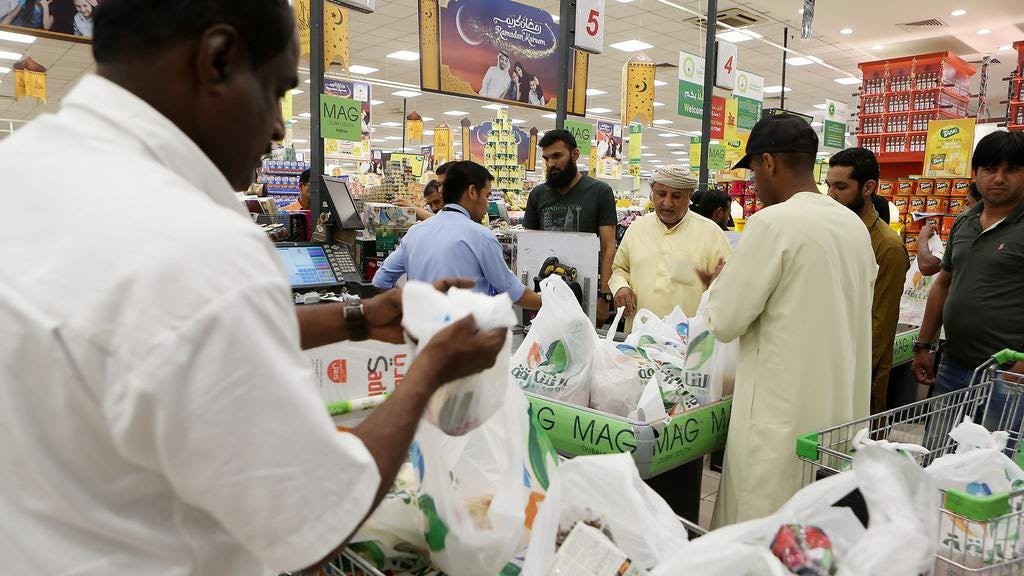
Retail stores in Nigeria can vary widely in size and appearance, depending on the type of store and its location. In urban areas, modern retail stores may resemble those found in other parts of the world, with clean, well-lit interiors and organized product displays. Some of the most popular retail stores in Nigeria include supermarkets, department stores, and specialty stores that sell a wide range of products.
In more rural areas, retail stores may take on a more traditional appearance, with simple stalls or shops selling basic goods such as food, clothing, and household items. These stores may be located in open-air markets or along busy streets.
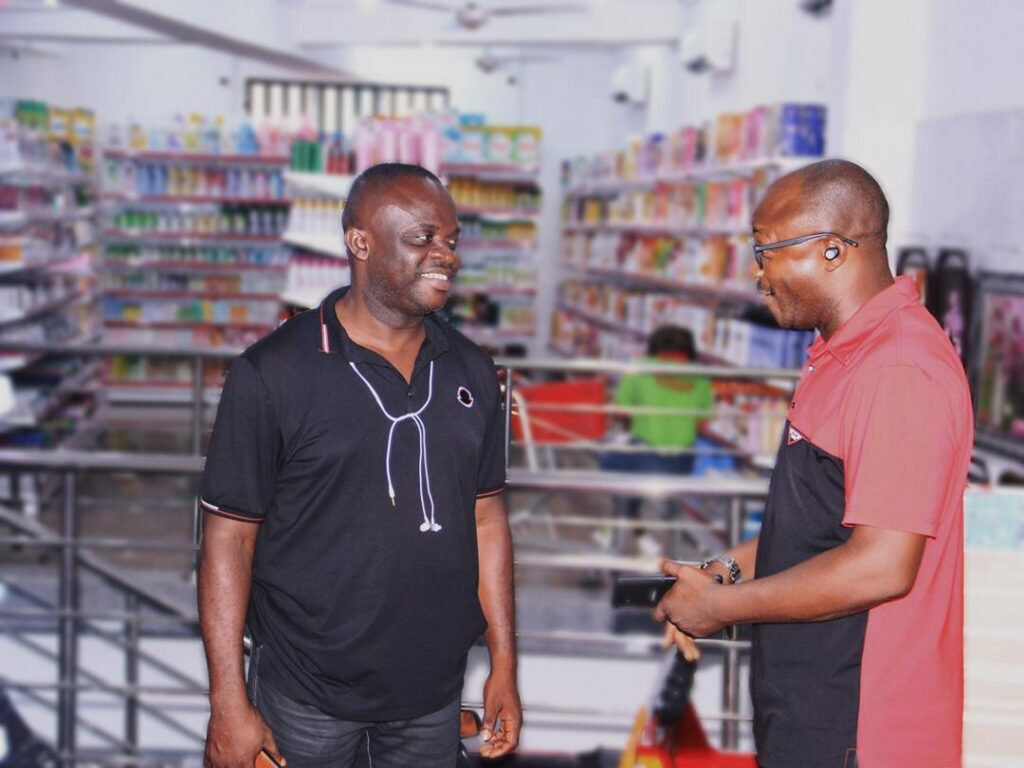
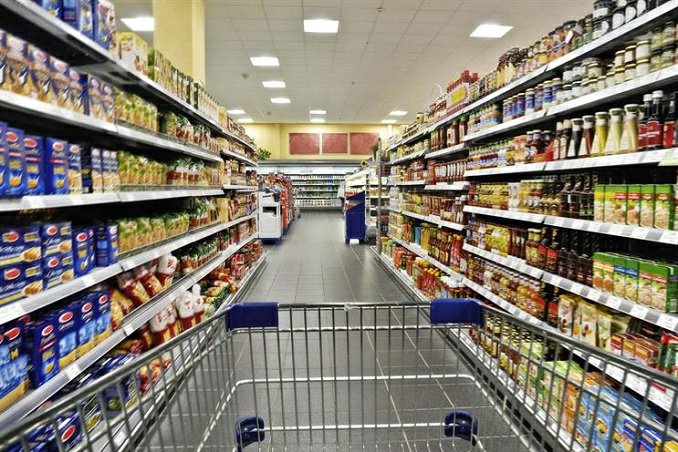
The retail industry in Nigeria has been experiencing significant growth over the past few years due to various factors such as urbanization, a growing middle class, and the increasing adoption of technology. According to a report by the Nigeria Retail Outlook, the retail industry in Nigeria was valued at US$125 billion in 2019 and is expected to grow to US$388 billion by 2024.
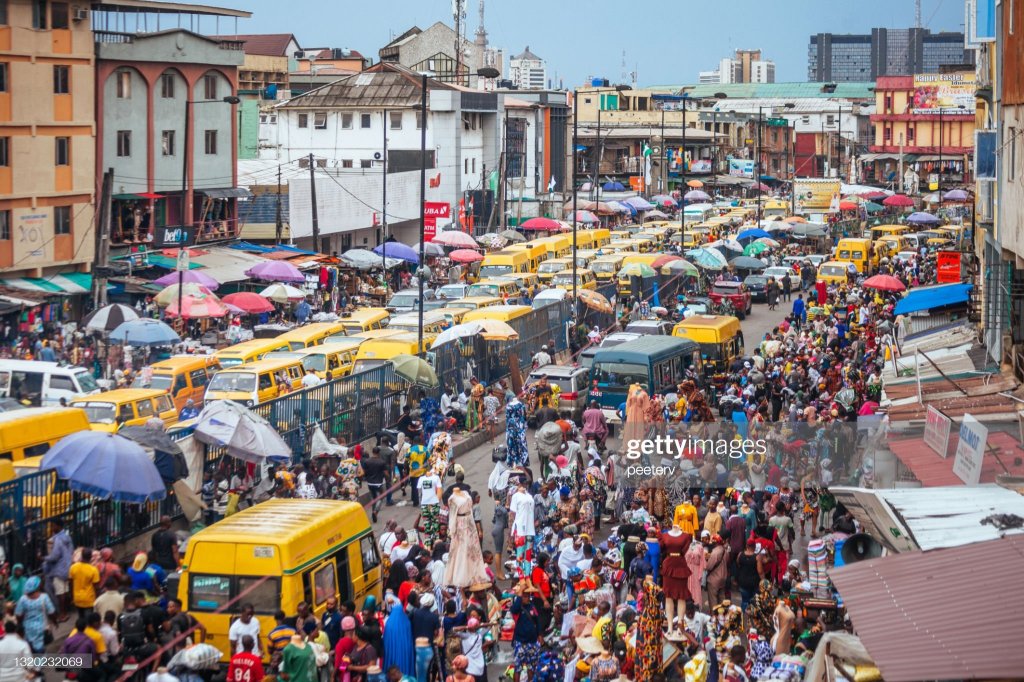
In terms of changes in retail stores specifically, there has been a shift towards e-commerce and online shopping in Nigeria, with more consumers preferring to shop online due to convenience and safety concerns. This has led to the emergence of new online retail stores and marketplaces, such as Jumia and Konga, which have gained significant market share in recent years.
However, traditional brick-and-mortar retail stores still remain important in Nigeria, particularly in urban areas. In recent years, there has also been a trend towards modernization and upgrading of traditional retail stores, with the introduction of new technologies and more sophisticated store formats to enhance the shopping experience for consumers.
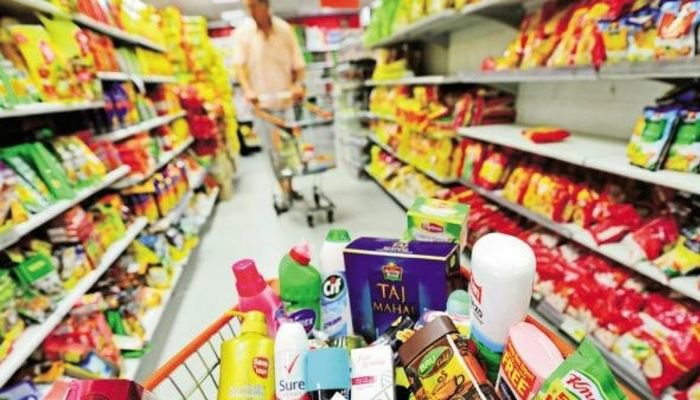
Overall, retail stores in Nigeria reflect the diversity and vibrancy of the country’s culture and economy. They offer a wide range of products and services to meet the needs of Nigerian consumers, from everyday necessities to luxury goods.
The retail industry in Nigeria has experienced some challenges due to the COVID-19 pandemic, it remains a key contributor to the country’s economy and is expected to continue growing in the coming years.
The Relevance of Processes in the Retail Business
Retail processes play a crucial role in enhancing growth and development in the retail industry. These processes are designed to help retailers efficiently manage their operations, optimize their resources, and provide a seamless shopping experience for customers. Here are some ways in which retail processes can enhance growth and development in the industry:
- Improved Inventory Management: Effective inventory management is essential for retailers to ensure they have the right products in stock at the right time. This helps to minimize stockouts, reduce wastage and improve cash flow. By implementing processes such as automated inventory tracking and demand forecasting, retailers can optimize their inventory levels and improve their profitability.
- Efficient Supply Chain Management: Retailers need to have efficient supply chain processes to ensure they receive products on time and at the right price. By implementing processes such as supplier management, demand planning, and transportation management, retailers can streamline their supply chain operations, reduce lead times and improve their responsiveness to customer demands.
- Customer Relationship Management: Customer satisfaction is essential for the growth and development of retail businesses. By implementing customer relationship management (CRM) processes, retailers can better understand their customers’ needs, preferences, and behaviors. This information can then be used to tailor their marketing efforts and improve the overall shopping experience.
- Seamless Payment Processes: Retailers need to provide their customers with convenient and secure payment options to encourage repeat purchases. By implementing seamless payment processes such as mobile payments and online payment gateways, retailers can reduce transaction times, increase customer satisfaction, and enhance their overall brand image.
- Data Analytics: Retailers can leverage data analytics to gain insights into their business operations, customer behavior, and market trends. By analyzing this data, retailers can make informed decisions, optimize their resources, and enhance their overall performance.
The relevance of Automation in the Retail Business
Automation is becoming increasingly relevant in the retail business today as it can help retailers streamline their operations, reduce costs, and improve efficiency. Here are some key areas where automation is being used in the retail industry:
- Inventory Management: Automated inventory management systems can help retailers optimize their inventory levels, reduce stockouts, and improve their cash flow. These systems use algorithms to predict demand and automatically reorder products when inventory levels fall below a certain threshold. This helps retailers avoid overstocking or understocking, reducing waste and increasing profitability.
- Supply Chain Management: Automation can help retailers streamline their supply chain operations, reducing lead times and improving responsiveness to customer demands. Automated systems can track orders, manage shipping, and update inventory levels in real-time, making it easier for retailers to manage their logistics.
- Customer Service: Automated chatbots and virtual assistants can help retailers improve their customer service by providing 24/7 support, answering frequently asked questions, and resolving customer issues quickly. This can help reduce wait times, improve customer satisfaction, and free up staff to focus on more complex tasks.
- Point of Sale (POS) Systems: Automated POS systems can help retailers process transactions faster and more accurately, reducing the risk of errors and improving efficiency. These systems can also provide real-time sales data, enabling retailers to make informed decisions about pricing and inventory management.
- Data Analysis: Automated data analysis tools can help retailers make sense of large amounts of data, identifying trends and patterns that can inform business decisions. These tools can help retailers optimize their marketing efforts, improve customer retention, and identify opportunities for growth.
Automation is becoming increasingly relevant in the retail business as it can help retailers improve their operations, reduce costs, and enhance their customer experience. By automating inventory management, supply chain management, customer service, point of sale systems, and data analysis, retailers can stay competitive in an ever-changing retail landscape.
The Effective Management of Retail Store in Nigeria
Effective management of a retail store in Nigeria requires a combination of skills and strategies to ensure that the store is successful and profitable. Here are some key strategies for effective management of a retail store in Nigeria:
- Strong Leadership: A successful retail store requires strong leadership, with a clear vision and effective communication with employees. Managers need to set clear expectations and goals for their teams, while providing guidance and support to help employees achieve their targets.
- Efficient Operations: Retail stores need to be well-organized and efficient in their operations, with streamlined processes for inventory management, supply chain management, and customer service. Managers need to implement effective systems and processes that can help improve efficiency and reduce costs.
- Customer Service: Providing exceptional customer service is critical to the success of a retail store. Managers need to ensure that their employees are well-trained and knowledgeable about the products and services they offer, and are able to respond quickly and effectively to customer inquiries and complaints.
- Merchandising: Effective merchandising is key to attracting customers and increasing sales. Managers need to ensure that their store layout, product displays, and pricing strategies are optimized to appeal to their target market and encourage customer purchases.
- Marketing and Promotions: Effective marketing and promotions are essential to drive traffic to a retail store and increase sales. Managers need to implement effective marketing campaigns that target their ideal customer base and offer promotions and incentives to encourage repeat purchases.
- Financial Management: Effective financial management is critical to the success of a retail store. Managers need to ensure that their store is profitable by closely monitoring costs and revenues, managing cash flow, and setting realistic financial goals.
The cost of setting up a retail business in Nigeria can vary widely depending on the size and type of business, location, and other factors. The cost can range from several hundred thousand naira to several million naira depending on the size and type of business. It’s important to carefully consider all costs involved and create a detailed business plan to ensure that the business is viable and profitable.
However, here are some key factors to consider when estimating the cost of setting up a retail business in Nigeria:
- Legal and Regulatory Costs: Setting up a retail business in Nigeria requires registering the business with the Corporate Affairs Commission (CAC) and obtaining necessary licenses and permits. The cost of legal and regulatory compliance can vary depending on the type of business and location.
- Premises and Infrastructure: The cost of renting or leasing a retail space in Nigeria can vary widely depending on the location and size of the space. In addition to rent, other costs may include renovation and decoration of the premises, utilities, and security.
- Inventory and Equipment: The cost of inventory and equipment can also vary widely depending on the type of retail business. For example, a grocery store will require a different inventory and equipment setup compared to a fashion boutique. The cost of inventory and equipment will also depend on the size of the store and the quality of products being sold.
- Marketing and Advertising: The cost of marketing and advertising can be a significant factor in the cost of setting up a retail business in Nigeria. This may include the cost of creating a brand identity, creating a website, advertising in local media, and social media advertising.
- Staffing Costs: Hiring employees and paying for salaries, benefits, and training can be a significant cost in setting up a retail business in Nigeria.
In summary, a total retail opportunity offers significant potential for retailers to capture a large and growing market by providing a comprehensive retail experience that meets the diverse needs and preferences of consumers. By investing in their supply chain, inventory management, logistics, customer service, and technology, retailers can create a competitive advantage and drive growth and profitability in the retail sector.By implementing these strategies, managers can ensure that their store is successful and profitable in the Nigerian retail
This is an excerpt on Nigeria Retail Store published by Davak Systems and Technology. Connect with us via email: davaksystemstechnology@hotmail.com.

 Davak Systems & Technology