
What is a vaccine?
A vaccine is a type of treatment aimed at stimulating the body’s immune system to fight against infectious pathogens, like bacteria and viruses. They are, according to the World Health Organization, “one of the most effective ways to prevent diseases.”
The human body is particularly resilient to disease, having evolved a natural defense system against nasty disease-causing microorganisms like bacteria and viruses. The defense system — our immune system — is composed of different types of white blood cells that can detect and destroy foreign invaders. Some gobble up bacteria, some produce antibodies which can tell the body what to destroy and take out the germs, and other cells memorize what the invaders look like, so the body can respond quickly if they invade again.
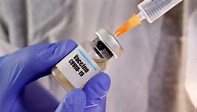
Vaccines are a really clever fake-out. They make the body think it’s infected so it stimulates this immune response. For instance, the measles vaccine tricks the body into thinking it has measles. When you are vaccinated for measles, your body generates a record of the measles virus. If you come into contact with it in the future, the body’s immune system is primed and ready to beat it back before you can get sick.
The very first vaccine was developed by a scientist named Edward Jenner in the late 18th century. In a famous experiment, Jenner scraped pus from a milkmaid with cowpox — a type of virus that causes disease mostly in cows and is very similar to the smallpox virus — and introduced the pus into a young boy. The young boy became a little ill and had a mild case of cowpox. Later, Jenner inoculated the boy with smallpox, but he didn’t get sick. Jenner’s first injection of cowpox pus trained the boy’s body to recognize the cowpox virus and, because it’s so similar to smallpox, the young man was able to fight it off and not get sick.
Vaccines have come an incredibly long way since 1796. Scientists certainly don’t inject pus from patients into other patients, and vaccines must abide by strict safety regulations, multiple rounds of clinical testing and strong governmental guidelines before they can be adopted for widespread use. See the emptiness as coronavirus closes landmarks, stadiums, amusement parks58 PHOTOS
What’s in a vaccine?
Vaccines contain a handful of different ingredients depending on their type and how they aim to generate an immune response. However, there’s some commonality between them all. Fighting coronavirus: COVID-19 tests, vaccine research, masks, ventilators and more29 PHOTOS
The most important ingredient is the antigen. This is the part of the vaccine the body can recognize as foreign. Depending on the type of vaccine, an antigen could be molecules from viruses like a strand of DNA or a protein. It could instead be weakened versions of live viruses. For instance, the measles vaccine contains a weakened version of the measles virus. When a patient receives the measles vaccine, their immune system recognizes a protein present on the measles virus and learns to fight it off.
A second important ingredient is the adjuvant. An adjuvant works to amplify the immune response to an antigen. Whether a vaccine contains an adjuvant depends on the type of vaccine it is.
Some vaccines used to be stored in vials that could be used multiple times and, as such, contained preservatives that ensured they would be able to sit on a shelf without growing other nasty bacteria inside them. One such preservative is thimerosal, which has garnered a lot of attention because it contains trace amounts of easily cleared ethylmercury. Its inclusion in vaccines hasn’t been shown to cause harm, according to the CDC. In places like Australia, single-use vials are now common, and thus preservatives such as thimerosal are no longer necessary in most vaccines.
In developing a vaccine for SARS-CoV-2, scientists need to find a viable antigen that will stimulate the body’s immune system into defending against infection.

 Davak Systems & Technology